
Proving Intent in Drug Crimes Involving Distribution Allegations
June 30, 2026
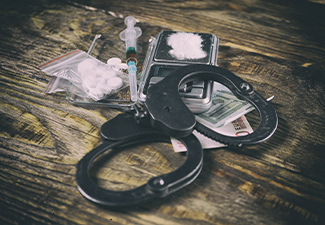 If you are facing allegations tied to drug distribution, it's common to experience a combination of fear, confusion, and uncertainty about what happens next. When law enforcement claims you intended to distribute drugs, you will often face more severe penalties than simple possession charges. However, these cases are not just about the drugs that were found; they're about what prosecutors say you planned to do with them.
At the Law Offices of Allen C Foster, PLLC, I am experienced in representing individuals charged with drug distribution and in building strong defenses against these charges. It can feel like the odds are stacked against you, especially if evidence seems unclear or taken out of context. However, my goal is to help you push back against assumptions and build a defense that highlights intent or a lack thereof.
Located in Kinston, North Carolina, I serve clients throughout Greenville, Goldsboro, Jacksonville, and Eastern North Carolina. Reach out to my firm today to schedule a free consultation and discuss how I can help protect your rights.
How Intent Is Alleged in Distribution Cases
In drug-related cases, intent is often what separates a misdemeanor from a felony. Prosecutors don’t need to catch you in the act of selling drugs to charge you with distribution. Instead, they rely on circumstantial evidence to suggest that you planned to distribute rather than possess for personal use.
A North Carolina drug crime attorney can explore how the prosecution is trying to build that narrative. The common factors the prosecution might rely on include the quantity of drugs found, how they’re packaged, and whether other items, such as scales or cash, were present. Even text messages or social media activity can be used to suggest intent.
The challenge is that these factors don’t always tell the full story. For example, having a larger quantity doesn’t automatically mean you intended to distribute. As an experienced drug crimes attorney, I can break down these assumptions and challenge how they’re presented in court.
Evidence Prosecutors Use to Suggest Intent
When building a case, prosecutors rely heavily on physical and digital evidence. They aim to create a narrative that points toward distribution rather than personal use, even if there’s no direct evidence of a sale. The common types of evidence they might use to suggest intent include the following:
Quantity of drugs: Larger amounts are often used to argue that the drugs weren’t intended for personal consumption.
Packaging materials: Items such as baggies or containers can be considered tools for distribution.
Scales or measuring devices: These are frequently cited as indicators of drug sales activity.
Large amounts of cash: Especially if the cash is found alongside drugs, it can be presented as proceeds from sales.
Communications: Text messages, emails, or social media posts can be used to suggest transactions or plans to distribute.
Each of these elements can sound persuasive at first glance; however, they often lack context. My firm can help examine how the evidence was obtained by the prosecution, whether it was interpreted correctly, and whether it truly supports the claims of intent being made.
How to Challenge Intent for Drug Distribution
Just because prosecutors present a theory doesn’t mean it will hold up under scrutiny. A strong defense should focus on dismantling the assumptions behind their claims and offering alternative explanations. The common defenses you and your attorney might be able to use include:
Questioning how the evidence was collected: If law enforcement violated your rights during a search or seizure, certain evidence typically won’t be admissible in court. This can dramatically change the direction of your case.
Providing context for the prosecution's evidence: For instance, if you had a large quantity of a substance, there could be a legitimate explanation that contradicts the claim of distribution. You and your attorney may also be able to challenge the reliability of witness statements or digital evidence, especially if it’s been taken out of context.
Examining how intent is inferred: Intent isn’t something that can be directly observed; it’s an interpretation. By highlighting gaps or inconsistencies in the prosecution’s argument, you may be able to create reasonable doubt, which can strengthen your defense.
How an Attorney Can Help You Challenge Intent
When you’re facing allegations involving intent to distribute, the right legal representation can make a significant difference in how your case unfolds. An attorney can help you understand your options and make informed decisions. From reviewing evidence to negotiating with prosecutors, their involvement can shape the outcome of your case. Some ways legal representation can help include the following:
Case evaluation: An attorney can review the details of your charges to identify potential strengths and weaknesses in your case.
Evidence analysis: An attorney can examine how evidence was obtained by the prosecution and whether it can be challenged.
Defense strategy: An attorney can help you build a defense to challenge the charges or provide additional context to minimize the strength of the allegations.
Negotiation support: An attorney can help you pursue reduced charges or alternative resolutions when appropriate.
Court representation: An attorney can present your case in court and challenge the prosecution’s claims where possible.
Working with a drug crimes attorney allows you to push back against assumptions and present your side of the story. Without that support, it can be difficult to adequately defend against drug distribution charges or challenge intent when presented with evidence.
Contact an Experienced Drug Crimes Attorney in North Carolina Today
If you’re facing allegations tied to drug distribution, it’s normal to feel uncertain about what comes next. These cases can carry serious consequences, but they don’t have to define your future. With the right approach, it’s possible to challenge the claims being made and work toward a better outcome.
At the Law Offices of Allen C Foster, PLLC, I understand how stressful it can be to face criminal charges. I am dedicated to working closely with you to address your concerns, review the evidence against you, and build a defense tailored to your circumstances.
Located in Kinston, North Carolina, I serve clients throughout Greenville, Goldsboro, Jacksonville, and Eastern North Carolina. Reach out to my firm today to schedule a free consultation and take the first step toward protecting your future.