
Breathalyzer Test vs. Blood Test: Which Is More Reliable in DWI Cases?
Dec. 15, 2025
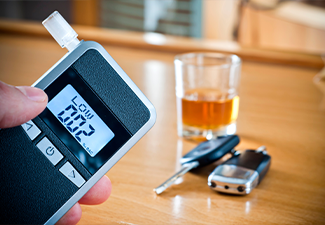 To prove impairment in a DWI case, law enforcement officers often rely on chemical tests such as breathalyzers or blood draws. These tests are used to establish objective evidence of intoxication, but both require adherence to strict procedural rules.
Officers must be certified to administer the test, and the device must be properly maintained and calibrated. Any deviation from these standards can cast doubt on the accuracy of the results.
At the Law Offices of Allen C Foster, PLLC, based in Kinston, North Carolina, I often closely analyze both methods as part of a criminal defense strategy. Each type of test can yield different results, and both are susceptible to human error, equipment malfunctions, and contamination.
How Breathalyzer Tests Work
Under North Carolina General Statutes §20-138.1, it’s illegal to operate a vehicle while under the influence of an impairing substance or with a BAC of 0.08% or higher. Breathalyzer testing typically happens at the police station using a machine approved by the North Carolina Department of Health and Human Services.
A breathalyzer measures the alcohol content in a person’s breath and converts it to an approximate BAC. The device estimates the amount of alcohol in the bloodstream based on the amount of ethanol detected in exhaled air. This method is quick, non-invasive, and preferred by law enforcement for testing during traffic stops and at the station.
However, breathalyzers don’t directly measure blood alcohol. Instead, they measure breath alcohol. That distinction matters. The conversion formula used to estimate BAC assumes that everyone metabolizes alcohol the same way, which isn’t true. Factors such as body temperature, medical conditions, breathing patterns, and even recent use of mouthwash or medication can influence the result.
From a criminal defense perspective, challenging a breathalyzer result often involves questioning the accuracy of the device, the operator’s certification, or the conditions under which the test was conducted.
For example, North Carolina law requires a 15-minute observation period before administering a breathalyzer to make sure the subject hasn’t burped, vomited, or consumed anything that could affect the reading. If that rule isn’t followed precisely, the results may be invalid.
How Blood Tests Work
Blood testing involves collecting a sample from the suspect and sending it to a lab for analysis. These tests directly measure the amount of alcohol (and sometimes drugs) in a person’s bloodstream. Since they’re based on direct analysis, they’re generally seen as more accurate than breath tests.
While blood testing can be more precise, it also introduces more opportunities for error. Contamination, improper labeling, and lack of refrigeration can all affect the integrity of the sample. Additionally, the chain of custody is critical. In North Carolina, a qualified medical professional must collect the blood sample, a certified laboratory must perform the analysis, and every person who handles the sample must be documented to prevent tampering or confusion.
As part of an effective criminal defense, I often request the full chain-of-custody report to verify that the evidence was preserved correctly. Even minor procedural violations can make a big difference in a DWI case. If the sample was taken without a proper warrant or consent, or if law enforcement failed to follow statutory protocols, the results could be excluded from evidence.
The Reliability of Breathalyzers vs. Blood Tests
When evaluating which test is more reliable, it’s important to consider both the scientific and procedural aspects. Breathalyzers are faster and less invasive, but they rely on indirect measurement and can produce false positives. Blood tests, while scientifically stronger, depend on rigorous handling and legal compliance.
From a criminal defense standpoint, reliability isn’t just about science; it’s about how the evidence was collected, maintained, and used. A perfectly accurate test can still be legally invalid if obtained through improper procedure. Here’s how the two testing methods generally compare in key areas:
Accuracy: Blood tests are generally more accurate because they measure actual blood alcohol concentration rather than an estimate.
Convenience: Breathalyzers are easier and faster for police to use, which makes them more common in field and station testing.
Potential for error: Breathalyzers can be affected by environmental factors and medical conditions; blood tests can be compromised by poor handling or storage.
Legal challenges: Both tests can be challenged on procedural grounds, such as lack of certification, calibration errors, or chain-of-custody issues.
Understanding these distinctions is essential for any criminal defense strategy involving a DWI charge.
Common Issues That Affect Test Reliability
In my years of practice at the Law Offices of Allen C Foster, PLLC, I’ve identified several recurring problems that often weaken chemical test evidence in DWI cases. These issues frequently include:
Improper calibration or maintenance: Breathalyzers must be properly calibrated and maintained in accordance with state regulations. An untested device may yield unreliable results.
Unqualified operators: Only certified officers are allowed to administer breathalyzer tests. If the officer’s certification was expired or incomplete, that could be grounds for suppression.
Medical conditions and physiological factors: Conditions such as diabetes, acid reflux, or even dental work can produce mouth alcohol, skewing breathalyzer results upward.
Improper blood sample handling: If a blood sample isn’t properly stored or sealed, it can ferment or degrade, leading to false readings.
Chain-of-custody errors: Losing track of who handled the sample or failing to record that information can raise serious challenges to the evidence’s authenticity in your criminal defense.
Each of these issues can serve as the foundation for a strong criminal defense case. If you are facing a DWI charge in North Carolina, reach out to a criminal defense attorney who can help you stand up for your rights.
How to Build a Strong Criminal Defense Against DWI Evidence
If you've been accused of a DWI, it's essential to examine every piece of evidence for potential weaknesses. The prosecution’s case often hinges on chemical test results, but if those results are flawed, the foundation of their case can collapse. To build a strong defense in a DWI case, consider taking the following steps:
Request the maintenance and calibration records for the breathalyzer device.
Review the bodycam or dashcam footage to confirm the officer followed proper testing protocol.
Consult an independent forensic specialist to analyze the blood test procedures.
File a motion to suppress evidence that was obtained in violation of your constitutional rights.
By systematically challenging the reliability of test results, you can create reasonable doubt in the prosecution’s evidence.
Your Legal Rights During Chemical Testing
Under North Carolina’s implied consent law, when driving on public roads, you automatically consent to chemical testing if you've been lawfully arrested for DWI. While you can refuse a breathalyzer or blood test, doing so triggers a one-year license suspension. In many criminal defense cases, that refusal itself becomes part of the evidence. However, in some cases, it may be preferable to a questionable test result.
If you do submit to testing, you have the right to request an independent test conducted by a medical professional of your choice. That independent test can provide valuable evidence for your criminal defense.
The Importance of Legal Representation
Facing a DWI charge in North Carolina is stressful and intimidating. The consequences can include fines, license suspension, and even jail time. However, no case is hopeless. The key is having a criminal defense attorney who understands how to dissect the state’s evidence, identify procedural errors, and advocate for your rights in court.
At the Law Offices of Allen C Foster, PLLC, I’ve handled many DWI cases in which faulty testing procedures led to dismissed or reduced charges. Whether your case involves a breathalyzer or blood test, I know how to challenge the evidence effectively and build a strong criminal defense tailored to your situation.
Contact an Experienced North Carolina Criminal Defense Attorney Today
While blood tests may be more scientifically precise than breathalyzers, reliability in a DWI case depends on far more than just numbers. Procedure, human error, and constitutional safeguards all play vital roles. In North Carolina, the law gives defendants several avenues to challenge testing evidence, but only if those issues are properly identified and presented.
At the Law Offices of Allen C Foster, PLLC, I believe that every person charged with DWI should receive a criminal defense that scrutinizes every detail of the case. From calibration logs to lab reports, every document matters. A single flaw in how the test was conducted could determine the outcome.
When your freedom and reputation are at stake, challenging questionable evidence isn’t just a strategy; it’s a necessity. Located in Kinston, North Carolina, I serve clients throughout the surrounding areas. Contact me today to schedule a free consultation.